
US Places Sanctions on Three Malaysian Companies Over AI Chip Issues
US Commerce Department restricts access to technology for three Malaysian firms due to AI chip concerns.
Overview of the Sanctions
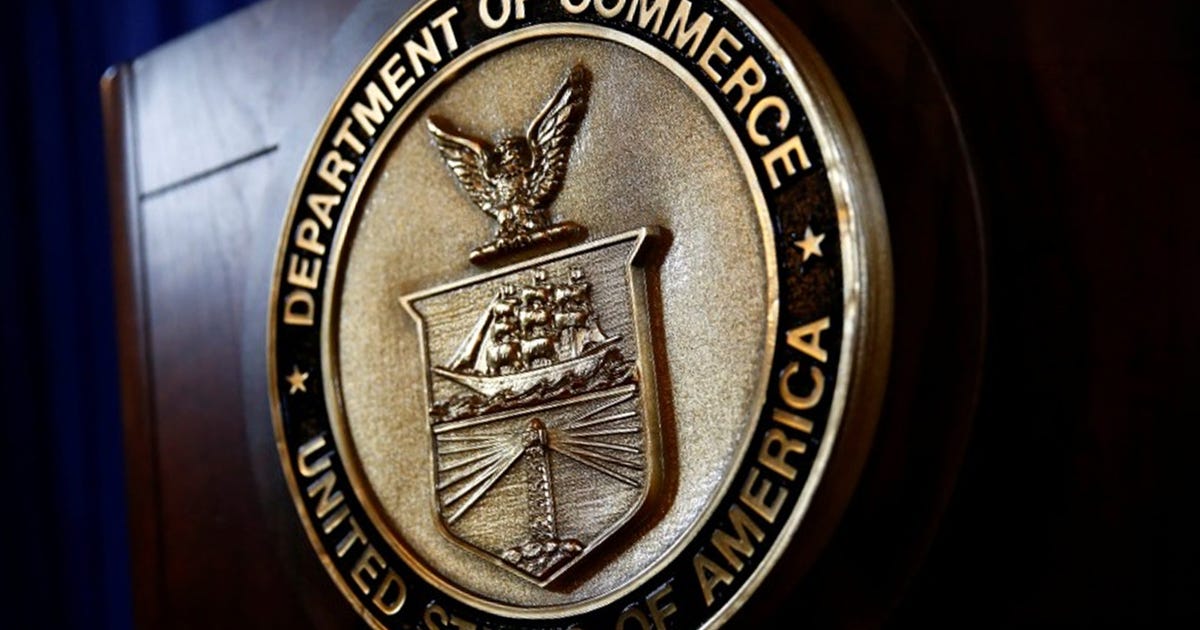
In a significant move, the United States Commerce Department has placed restrictions on three Malaysian companies—Speedmatrix, MSFusion, and PT Megaspeed—due to concerns related to AI chip technology. This action is part of a broader strategy targeting companies that may pose risks to national security or contribute to illicit activities involving advanced technologies.
As reported by Free Malaysia Today, these sanctions will prevent the affected firms from accessing American goods and technology. This means that they will no longer be able to import critical components, software, or technological assistance from the US, which could severely impact their operations and future growth prospects.
Implications for Malaysian Firms
The sanctions against Speedmatrix, MSFusion, and PT Megaspeed could have far-reaching implications for the Malaysian tech industry as a whole. These companies are part of a growing sector that relies heavily on American technology and components, particularly in the field of artificial intelligence, which is increasingly becoming a cornerstone for innovation and economic development.
The restrictions may hinder the ability of these firms to remain competitive in a rapidly evolving market, where access to the latest technologies is vital. This could lead to job losses, reduced investment opportunities, and a potential slowdown in technological advancements within Malaysia.
What Comes Next?
The situation raises questions about the future of AI and technology-related businesses in Malaysia. Stakeholders in the industry will be watching closely to see how these sanctions affect not only the targeted companies but also the wider tech ecosystem in the country.
Furthermore, it will be essential to monitor any responses from the Malaysian government or the affected companies. They may seek to negotiate with US authorities or explore alternative markets to offset the impact of these sanctions.
Additionally, this incident underscores the need for Malaysian firms to enhance their compliance with international standards and regulations, especially in technology sectors that are under scrutiny from foreign governments. Firms may need to reevaluate their supply chains and partnerships to mitigate risks associated with international trade policies.
In conclusion, the blacklisting of these Malaysian firms marks a critical juncture for the nation's tech industry, spotlighting the delicate balance between innovation, security, and international relations.
This article was prepared with AI assistance from the reports cited below and reviewed by Boda8News editors.
Sources
- US blacklists 3 Malaysian firms over AI chip concerns — Free Malaysia Today
- US blacklists 3 Malaysian firms over AI chip concerns — Free Malaysia Today
Spotted an error? Report an error.
Related Stories
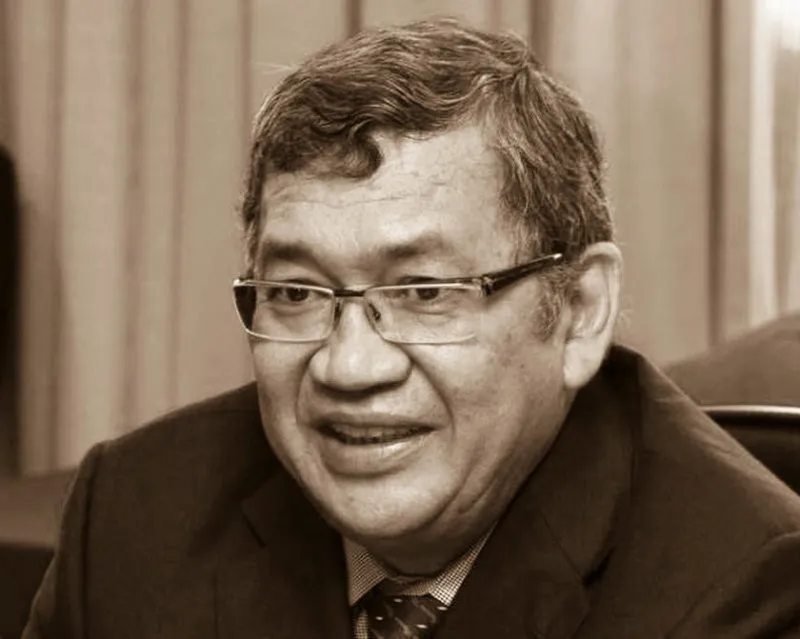
Malaysia Bids Farewell to Former Attorney General Abdul Gani Patail
Tan Sri Abdul Gani Patail, a pivotal figure in Malaysia's legal history, passes away and is laid to rest in Putrajaya.
BODA News Newsdesk · 28 Nov 2026

Anwar Ibrahim Condemns Alleged Drug Smuggling by RMAF Aircraft
Prime Minister Anwar Ibrahim expresses outrage over the reported drug smuggling using military aircraft.
BODA News Newsdesk · 28 Nov 2026

Eighteen Arrested in Ongoing RMAF Drug Smuggling Investigation
An RMAF officer and four civilians were recently arrested, bringing total arrests to 18 in a drug syndicate probe.
BODA News Newsdesk · 28 Nov 2026

DAP to Contest Sarawak State Elections with Local Leadership
DAP reaffirms its participation in the Sarawak state elections, led by local leaders without non-Sarawakian ministers.
BODA News Newsdesk · 27 Nov 2026