
Attorney General Seeks Clarification on Najib's House Arrest Terms
The AGC has requested the High Court to clarify the terms of Najib's house arrest, affecting his future confinement.
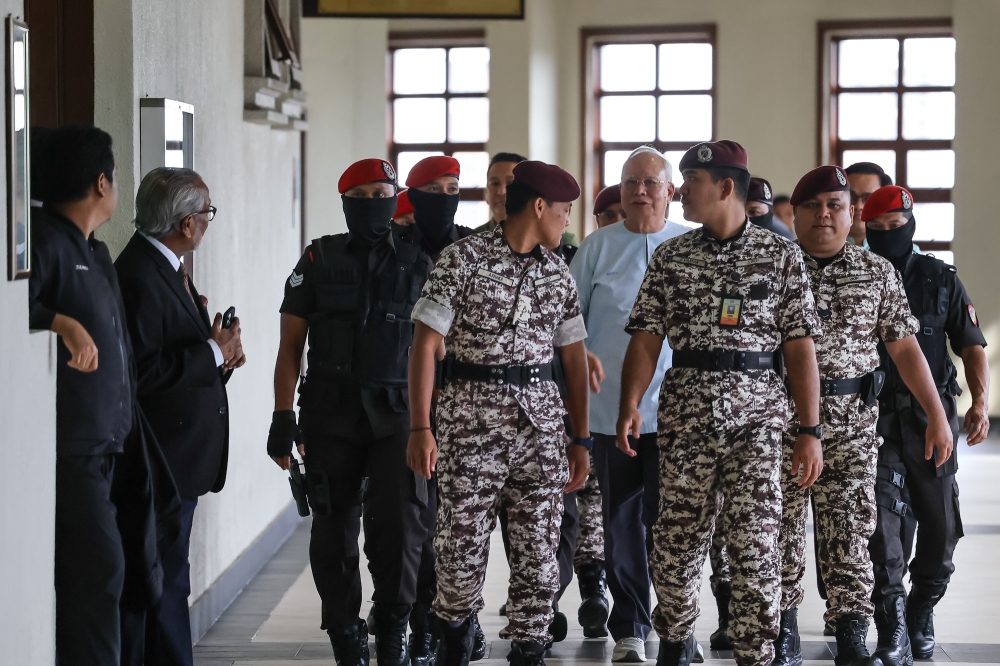
Background on Najib Razak’s Legal Situation
Former Prime Minister Najib Razak has been at the center of several legal issues, particularly concerning his involvement in the 1MDB scandal. Following his conviction, he was initially sentenced to prison but was later placed under house arrest. This arrangement has raised various legal questions and implications for his future.
Recent Developments
On November 10, 2026, the Attorney General’s Chambers (AGC) made a significant move by seeking clarification from the High Court regarding the terms of Najib's house arrest. As reported by Malay Mail, the AGC has requested a new court order to ensure that, once the current house arrest period concludes, Najib is returned to Kajang Prison in 2028. This request indicates that the AGC aims to close any potential loopholes that could allow Najib to evade a return to prison.
The AGC's action underscores the ongoing legal complexities surrounding Najib's case and reflects the government's firm stance on ensuring that the terms of his confinement are strictly adhered to. The request for clarification indicates the seriousness with which the AGC is treating the matter, suggesting that they want to prevent any further legal ambiguities that could arise in the future.
Implications for Najib and Malaysia
For Malaysian citizens and observers, this development is crucial as it directly affects the former Prime Minister's legal standing and public perception. Najib's house arrest has been a contentious issue, with many viewing it as a privilege not afforded to all convicted felons. The AGC's pursuit of a new order signals a commitment to upholding judicial integrity and the rule of law, which may influence public sentiment regarding legal accountability in Malaysia.
The outcome of the AGC's request could set a precedent for how similar cases are handled in the future. Should the High Court grant the AGC's application, it may reaffirm the legal framework surrounding house arrest for individuals convicted of serious crimes. Conversely, if the court denies the request, it could lead to further complications in Najib's legal journey and provoke discussions about the fairness of the judicial process in such high-profile cases.
What to Watch Next
As this situation unfolds, it will be crucial to monitor the High Court's response to the AGC's request. Legal experts and political analysts will likely scrutinize the implications of the court's decision, particularly regarding the enforcement of judicial orders and the treatment of high-profile offenders in Malaysia. Additionally, public reaction to these developments may influence political discourse and governance in the country as the legal ramifications of Najib’s case continue to resonate within Malaysian society.
This article was prepared with AI assistance from the reports cited below and reviewed by Boda8News editors.
Sources
Spotted an error? Report an error.
Related Stories
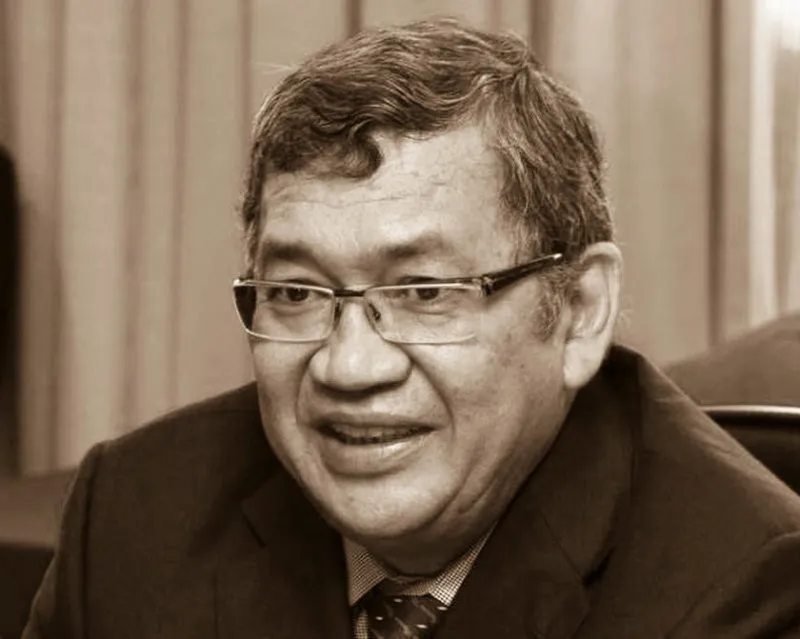
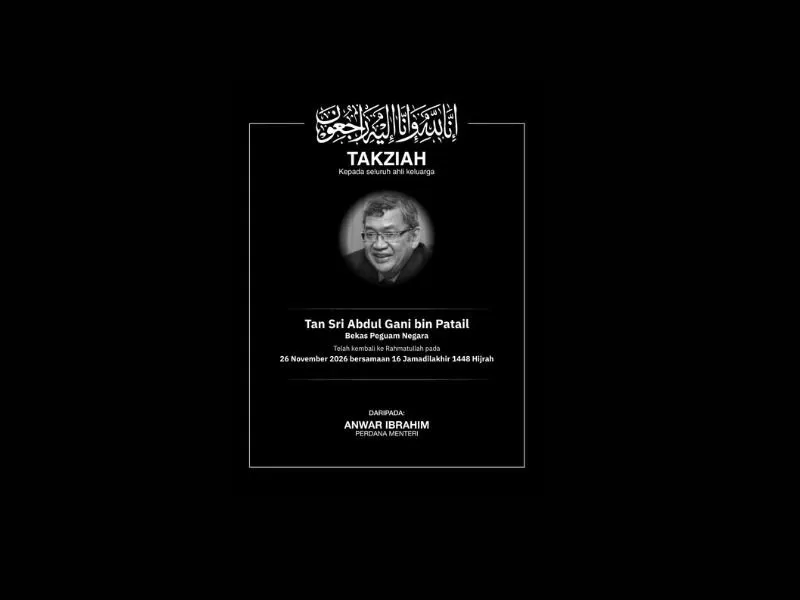
Malaysia Bids Farewell to Former Attorney General Abdul Gani Patail
Tan Sri Abdul Gani Patail, a pivotal figure in Malaysia's legal history, passes away and is laid to rest in Putrajaya.
BODA News Newsdesk · 28 Nov 2026
Anwar Ibrahim Condemns Alleged Drug Smuggling by RMAF Aircraft
Prime Minister Anwar Ibrahim expresses outrage over the reported drug smuggling using military aircraft.
BODA News Newsdesk · 28 Nov 2026

Eighteen Arrested in Ongoing RMAF Drug Smuggling Investigation
An RMAF officer and four civilians were recently arrested, bringing total arrests to 18 in a drug syndicate probe.
BODA News Newsdesk · 28 Nov 2026

DAP to Contest Sarawak State Elections with Local Leadership
DAP reaffirms its participation in the Sarawak state elections, led by local leaders without non-Sarawakian ministers.
BODA News Newsdesk · 27 Nov 2026