
Ringgit Performance Mixed: Stronger Against Euro and Pound, Weaker Against US Dollar
The Malaysian ringgit shows varied performance against major currencies, easing against the US dollar while strengthening against the euro and pound.
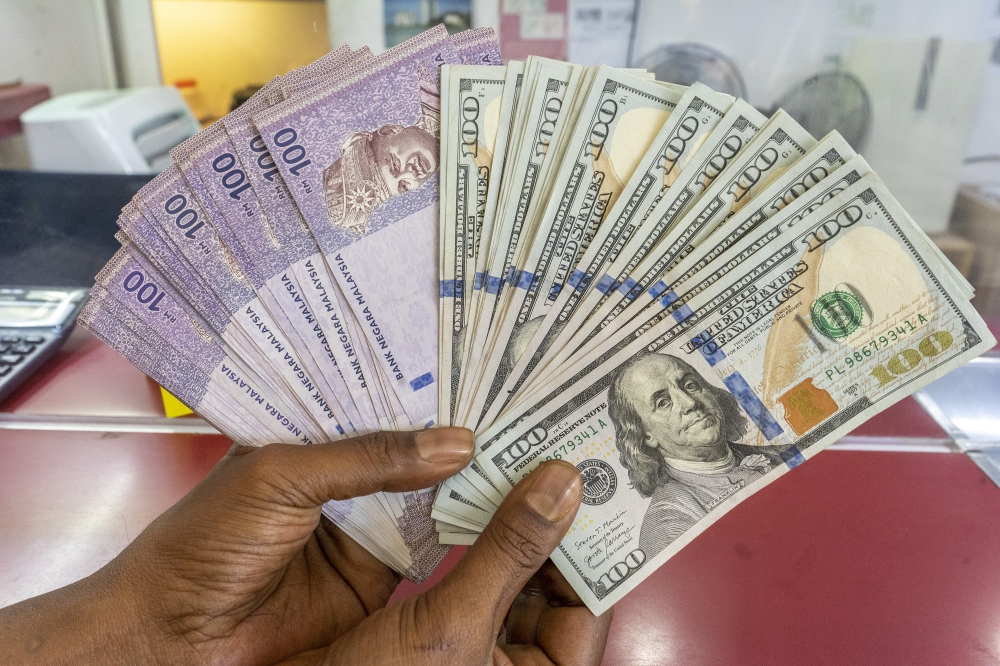
Ringgit's Mixed Performance on November 13
On November 13, the Malaysian ringgit exhibited a mixed performance in the foreign exchange market. While it gained ground against several major currencies, it experienced a decline against the US dollar. This trend reflects ongoing speculation surrounding potential interest rate hikes by the Federal Reserve, which have significant implications for currency valuation.
Weaker Against the US Dollar
As reported by Malay Mail, the ringgit slipped against the US dollar. This depreciation against the greenback can be attributed to increasing expectations that the US Federal Reserve may raise interest rates in the near future. Such actions typically strengthen the US dollar, making it more expensive for foreign currencies like the ringgit.
For Malaysian businesses and consumers, this weakening of the ringgit against the US dollar could lead to higher import costs, particularly for goods priced in USD, such as electronics and fuel. This situation may affect inflation rates and consumer spending power in Malaysia, prompting individuals and companies to reconsider their financial strategies in the face of rising prices.
Strength Against Euro and Pound
Conversely, the ringgit showed resilience against the euro and the British pound. This strengthening reflects a broader trend in which the ringgit is gaining traction amidst other global economic fluctuations. Factors contributing to this could include Malaysia's own economic stability and the relative performance of the eurozone and the UK economy.
For Malaysian travelers or businesses involved in trade with Europe or the UK, the improved value of the ringgit against these currencies may provide some relief. It could make travel cheaper and could offer Malaysian exporters a competitive edge in pricing when dealing with European and British markets.
Implications for the Future
The mixed performance of the ringgit highlights the complex interplay of domestic and international economic factors. As the situation evolves, Malaysian consumers and investors should keep an eye on the Federal Reserve's policy decisions, as these will undoubtedly influence the ringgit's trajectory against the US dollar and other currencies.
In addition, continued monitoring of global economic indicators, including inflation rates and trade balances, will be essential for understanding how the Malaysian economy and its currency will fare in the coming months. With the ringgit’s current mixed performance, stakeholders from various sectors will need to prepare for potential volatility in currency exchange rates.
This article was prepared with AI assistance from the reports cited below and reviewed by Boda8News editors.
Sources
Spotted an error? Report an error.
Related Stories

US Markets Decline Amid Weakness in Semiconductor and AI Stocks
The Nasdaq and S&P 500 concluded the week on a down note, influenced by declines in semiconductor shares.
BODA News Newsdesk · 25 Nov 2026

UN Chief Urges Swift Development of AI Risk Management Framework
UN Secretary-General emphasizes the need for a global framework to manage AI risks by next year.
BODA News Newsdesk · 24 Nov 2026

US Stock Market Sees Gains Following Nvidia CEO's Return
Nvidia's CEO return sparks optimism, but challenges in AI financing remain.
BODA News Newsdesk · 24 Nov 2026

Anthropic's Unconventional IPO Process Raises Eyebrows Among Bankers
Anthropic's unique IPO approach mirrors SpaceX, imposing strict limits on underwriters.
BODA News Newsdesk · 23 Nov 2026