
Bangladeshi Garment Workers Threaten Pre-Christmas Factory Shutdown
Unions in Bangladesh threaten to halt production, impacting major global brands and supply chains.
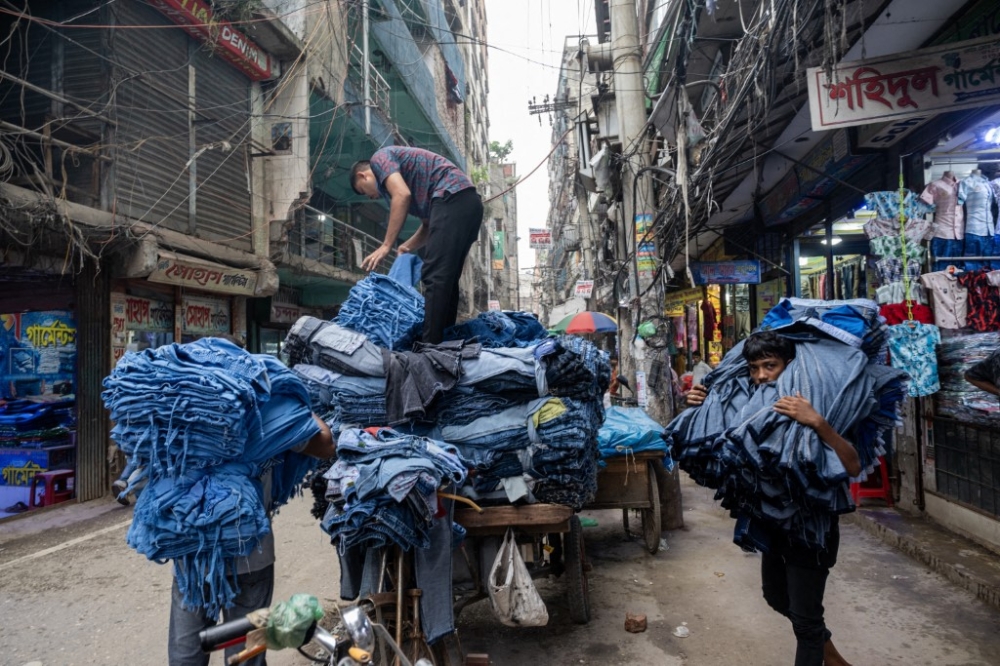
Overview of the Threat
In a significant development for the global apparel industry, unions in Bangladesh have issued a warning regarding a potential pre-Christmas factory shutdown. This move could have serious implications for major brands such as Levi’s, Vans, and Timberland, all of which rely heavily on Bangladeshi garment production for their holiday season inventories.
As reported by Malay Mail, the unions are poised to walk away from ongoing negotiations if their demands are not met, which raises concerns about the timely delivery of goods in the lead-up to the Christmas shopping season. This situation underscores the delicate balance between labor rights and the demands of global commerce, particularly within a country that is a leading player in garment manufacturing.
Impact on Global Brands
The potential shutdown threatens to disrupt supply chains not only for the brands mentioned but also for retailers worldwide who depend on timely shipments to meet consumer demand during the festive season. The clothing industry is notoriously sensitive to delays, particularly during peak shopping periods like Christmas, when consumer spending surges.
For Malaysian consumers, this situation serves as a reminder of the interconnectedness of global supply chains. Many local retailers stock products from these global brands, meaning that any disruptions in Bangladesh could lead to shortages or price increases in Malaysia. As shoppers gear up for the holidays, they may find themselves facing limited availability of popular items.
Labor Rights and Economic Conditions
The backdrop to this conflict is the broader issue of labor rights in Bangladesh, where workers often face difficult conditions and low wages. Unions are advocating for better working conditions and fair pay, reflecting a growing global awareness and concern for labor rights within the garment sector. This ongoing struggle highlights the need for sustainable practices in manufacturing, as well as the ethical implications of fast fashion.
As these negotiations unfold, it will be crucial to watch how brands respond to union demands and the potential impact this might have on consumer behavior. If brands choose to prioritize ethical labor practices, it could lead to higher production costs, potentially affecting retail prices.
What’s Next?
As the situation develops, stakeholders in Malaysia and beyond should keep an eye on the negotiations between the unions and garment manufacturers in Bangladesh. This will be key to understanding the potential ripple effects on supply chains and consumer markets. The outcome of these discussions will likely influence not only the immediate availability of products but also broader conversations about labor rights and corporate responsibility in the global economy.
In summary, while the holiday season is a time of celebration for consumers, it is also a critical period that can test the resilience of global supply chains and the commitment of brands to ethical labor practices. The situation in Bangladesh serves as a poignant reminder of the challenges faced by garment workers and the importance of supporting fair labor practices.
This article was prepared with AI assistance from the reports cited below and reviewed by Boda8News editors.
Sources
Spotted an error? Report an error.
Related Stories

US Markets Decline Amid Weakness in Semiconductor and AI Stocks
The Nasdaq and S&P 500 concluded the week on a down note, influenced by declines in semiconductor shares.
BODA News Newsdesk · 25 Nov 2026

UN Chief Urges Swift Development of AI Risk Management Framework
UN Secretary-General emphasizes the need for a global framework to manage AI risks by next year.
BODA News Newsdesk · 24 Nov 2026
US Stock Market Sees Gains Following Nvidia CEO's Return
Nvidia's CEO return sparks optimism, but challenges in AI financing remain.
BODA News Newsdesk · 24 Nov 2026
Anthropic's Unconventional IPO Process Raises Eyebrows Among Bankers
Anthropic's unique IPO approach mirrors SpaceX, imposing strict limits on underwriters.
BODA News Newsdesk · 23 Nov 2026