
Bangladesh Wage Protests Impact Garment Sector Significantly
Protests over wages in Bangladesh lead to major losses in the garment industry.
Overview of the Protests
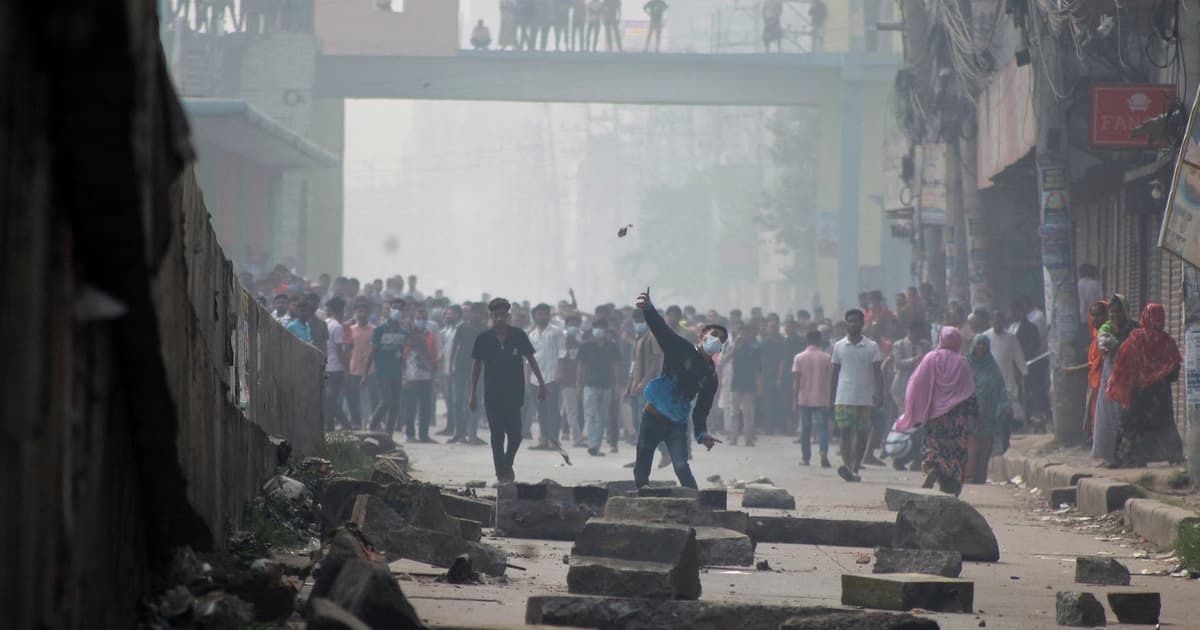
In recent weeks, Bangladesh has seen significant wage protests that have adversely affected its garment sector, a key pillar of the national economy. The protests erupted as garment workers demanded higher wages amid rising living costs. The situation has escalated to a point where manufacturers are reporting extensive financial losses and a shift in orders to countries such as Vietnam and India.
Financial Impact on the Garment Sector
According to the Bangladesh Garment Manufacturers and Exporters Association (BGMEA), the protests have led to losses amounting to an estimated US$428 million. Specifically, 317 garment factories have reported significant operational disruptions due to the protests. Moreover, it has been noted that orders worth approximately US$254 million have been redirected to competitor countries, raising concerns about the long-term viability of the industry in Bangladesh.
The garment sector is crucial for the Bangladeshi economy, employing millions of workers and contributing significantly to the country's export revenue. The ongoing unrest not only jeopardizes the current financial health of these factories but also threatens the livelihoods of numerous workers who rely on this industry for their sustenance.
Regional Implications for Malaysia
For Malaysian readers, the situation in Bangladesh serves as a stark reminder of the vulnerabilities within the garment and manufacturing sectors in Southeast Asia. Malaysia has its own garment industry, albeit smaller, and could potentially benefit from Bangladesh's challenges if orders continue to shift from the latter. However, this situation also highlights the importance of maintaining stable labor relations and addressing workers' rights in manufacturing.
As countries navigate the complexities of global supply chains, Malaysia may need to reassess its own labor policies to ensure that it remains competitive and appealing to international brands looking for alternative manufacturing bases.
What Lies Ahead
The future of the garment sector in Bangladesh hangs in the balance as negotiations between manufacturers and workers continue. Stakeholders are urged to find a resolution that addresses the wage concerns of workers while ensuring the sustainability of the industry. For Malaysian businesses and consumers, this situation may lead to increased awareness of ethical manufacturing practices and the importance of fair wages in the garment sector.
As the region watches closely, it will be crucial to observe not only how the protests evolve but also how they influence manufacturing dynamics across Southeast Asia.
This article was prepared with AI assistance from the reports cited below and reviewed by Boda8News editors.
Sources
- Bangladesh’s wage protests cost garment sector US$428mil — Free Malaysia Today
Spotted an error? Report an error.
Related Stories

US Markets Decline Amid Weakness in Semiconductor and AI Stocks
The Nasdaq and S&P 500 concluded the week on a down note, influenced by declines in semiconductor shares.
BODA News Newsdesk · 25 Nov 2026

UN Chief Urges Swift Development of AI Risk Management Framework
UN Secretary-General emphasizes the need for a global framework to manage AI risks by next year.
BODA News Newsdesk · 24 Nov 2026

US Stock Market Sees Gains Following Nvidia CEO's Return
Nvidia's CEO return sparks optimism, but challenges in AI financing remain.
BODA News Newsdesk · 24 Nov 2026
Anthropic's Unconventional IPO Process Raises Eyebrows Among Bankers
Anthropic's unique IPO approach mirrors SpaceX, imposing strict limits on underwriters.
BODA News Newsdesk · 23 Nov 2026